

Small Change, BRUT Impact
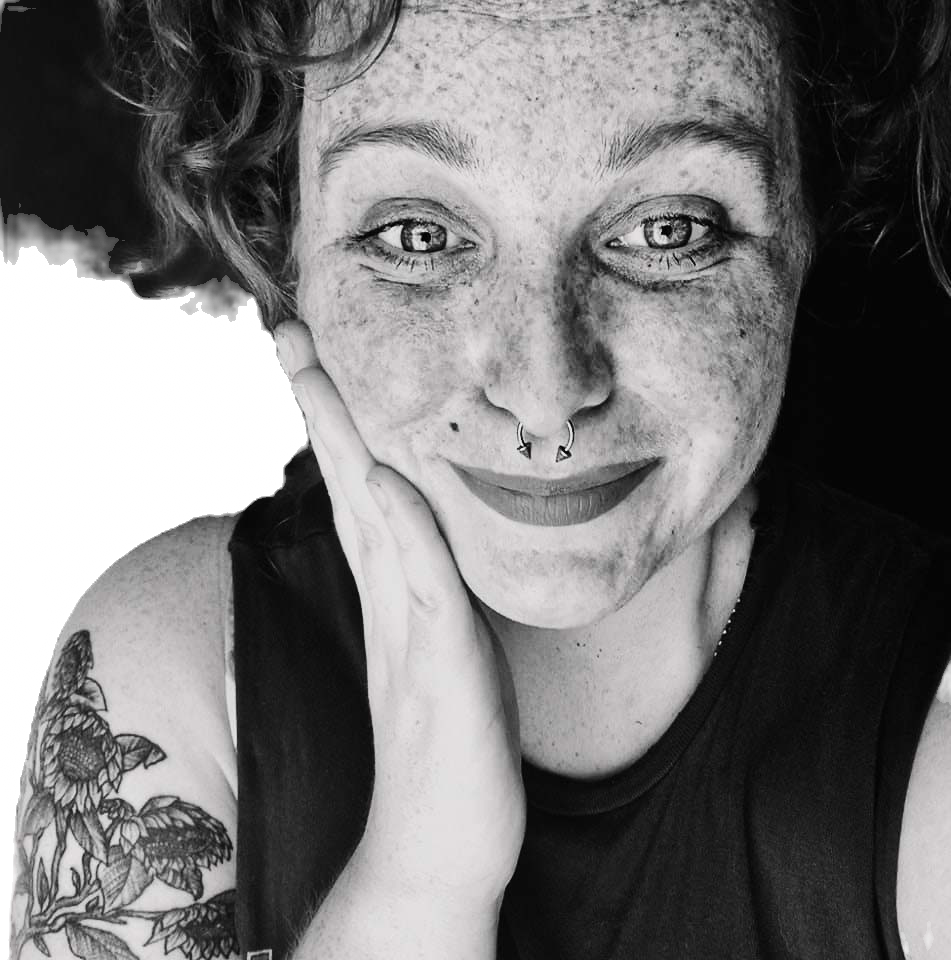
Small Change, BRUT Impact : A Barrier Nobody Talks About made visible & broken.

There's a fear I hear a lot at the moment. It doesn't have a fancy name, but I call it the "it's not for me" fear. It shows up whenever a brilliant, ambitious, totally doable idea meets a form. An artist has the vision. They have the drive. They even have the skill already sorted in their head. And then they hit an application form for funding or a commission, and the whole thing grinds to a halt.
Recently, I've had a real influx of artists reaching out to ask how to take an idea and actually make it happen. Not "is my work good enough" that's a different fear, for a different blog post, but "how do I turn this idea into an actual project?" How do you go from a sketch in a notebook to standing in front of a panel, or filling in a form, and asking for the money and support to make it real?
A Barrier Nobody Talks About
A local organisation recently listed some genuinely exciting commission opportunities for arts projects here in town. Brilliant news. Exactly the kind of thing our creative community needs more of. But I kept hearing the same thing from artists around me: I want to apply, but I don't know how.
If you've never applied for funding before, that paperwork can feel like it's written in a completely different language. What's a project brief supposed to look like? How do you budget something you've never budgeted before? What are they actually asking for when they say "outcomes" or "evaluation"? It's daunting, it's mysterious, and crucially none of that has anything to do with whether your idea or your art is any good.
This is Studio Brut territory, through and through. Breaking down barriers isn't just about who gets to call themselves an artist, or whose work hangs on which wall. It's about who gets to access the systems and support that turn ideas into real, funded, delivered projects. An application form can be every bit as much of a barrier as a locked gallery door.
Recognising My Own Advantage
I'll be honest about something: this particular kind of paperwork doesn't scare me. I have a background in theatre-making, and that world is full of exactly this, pulling an idea apart, structuring it, pitching it, budgeting it, making the case for why it should exist and what it needs to happen. It was instilled in me early, and I carry it into everything I do now without really thinking about it.
That's an advantage. And I think it's really important that when we recognise we have an advantage like that, we treat it as information rather than just a nice thing about ourselves. Because if something is easy for me because of a specific background I happened to have, that almost always means the reverse is true for someone else. If having done theatre training means applications feel natural to me, then not having had that kind of training is a barrier for somebody else, sitting right there, quiet and invisible unless you go looking for it.
That's really where this feedback came from. Not from imagining a hypothetical barrier, but from noticing my own advantage and asking: what does it look like for the artist standing next to me who has a different lived experience?
I Said Something. They REALLY Listened.
So I contacted the organisation and gave them that feedback directly. I suggested some kind of support for artists working on applications, something to demystify the process and make it approachable for people facilitating a project for the first time.
And they didn't just hear it. They acted on it, and they did it fast.
They're now offering free 1-2-1 sessions to anyone who wants advice on how to approach these applications.
I am so thrilled about this, on so many levels. Firstly, because it means more artists in our town will actually go for it, they'll take their idea past the "not for me" fear and turn it into a real application. But honestly, I'm just as thrilled by how this happened. I gave one piece of feedback, and within a short space of time, it had been taken seriously and turned into real, practical support. That kind of responsiveness matters. It tells you an organisation is genuinely listening to the artists it wants to work with, not just issuing opportunities into the void and hoping the "right" people find their way through.
I have so much respect for this organisation for how they handled it. It would have been easy to hear that feedback and let it sit, to nod along and move on, or to promise something "for the future" that never quite materialises. Instead, they turned it around quickly, and that speed says a lot. It tells me this wasn't a box-ticking exercise, it was a genuine willingness to look at their own process and ask whether it was actually working for the people they wanted to reach.
I think this is a real example to anyone facilitating opportunities in the arts, funders, galleries, councils, whoever is holding the door open. If you want your opportunities to reach the artists you say you want to reach, you have to listen to them, properly, and be willing to act on what you hear. It's not enough to publish a great opportunity and hope the right people find a way through the paperwork on their own.
Identify the Barrier. Do Something About It.
That's the whole philosophy, isn't it? It's such a simple idea, but it's the one that actually moves things forward: identify the barrier to access, and then do something about it.
It doesn't have to be a huge, sweeping change. This one is small, a free chat, a bit of guidance, someone to say "here's what this bit actually means" before you press submit. But for someone who has never done this before, who's staring down a form feeling like it's not written for people like them, that small change means the world.
If you're an artist in Swindon with an idea for a project and you've been putting off applying because the paperwork feels like the scary part, this is your sign. The support is there now. Go and use it. AND MAKE YOUR IDEA HAPPEN.
If you're part of an organisation, a gallery, a funder, anyone who holds the keys to opportunities like this: ask your artists what's standing in their way. Sometimes the answer is smaller, and easier to fix, than you'd think.
Studio Brut is working to break down barriers between "outsider" and "insider" art and that includes the barriers built into the systems around it. We're genuinely proud to advocate for this kind of change, and hope small change like this makes real impact for artists like you.


Comments